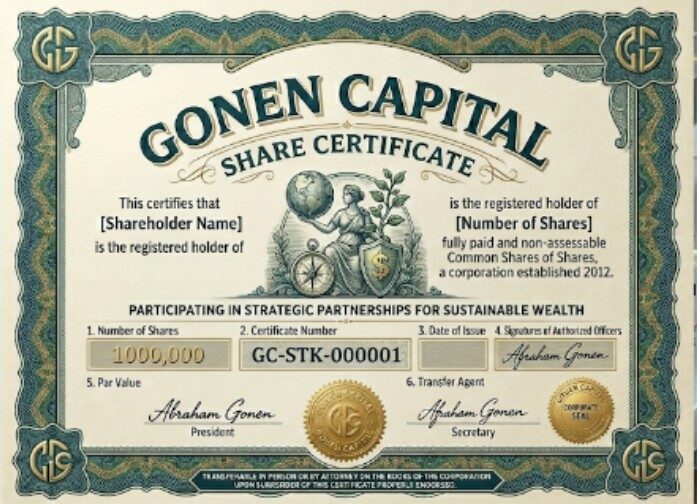
Fractional real estate investment is essentially the "crowdfunding" of the property world. Instead of needing hundreds of thousands of dollars to buy an entire building, you buy a "fraction" of the equity in a specific property.
Think of it like buying shares in a company, but the company’s only asset is a piece of real estate.
How the Process Works
The journey from a vacant building to a dividend in your account usually follows these four steps:
- Sourcing and Acquisition: A platform (the "Sponsor") identifies a high-value property—like an apartment complex, a warehouse, or a vacation rental. They handle the inspection, financing, and legal paperwork.
- Securitization: The platform places the property into a legal entity, typically a Limited Liability Company (LLC). They then "tokenize" or divide the ownership of that LLC into thousands of shares.
- The Offering: Investors browse an online marketplace and buy shares. The price can be as low as $10 or $100, making it accessible to almost anyone.
- Management and Distribution: A professional management company handles the "dirty work" (tenants, toilets, and taxes). The rental income is distributed to shareholders proportionally.
How You Make Money
There are two primary ways you see a return on your investment:
- Rental Dividends: Your share of the monthly or quarterly rent collected from tenants, minus expenses and management fees.
- Capital Appreciation: If the property is sold years later for more than it was bought for, you receive your share of the profit.
The Pros and Cons
| Feature | Fractional Investment | Traditional Ownership |
|---|---|---|
| Capital Required | Very Low ($10 - $500+) | Very High (20% Downpayment) |
| Effort | Passive (Hands-off) | Active (Landlord duties) |
| Liquidity | Moderate (Secondary markets) | Low (Takes months to sell) |
| Control | None (Platform decides) | Total (You decide everything) |
| Diversification | High (Own pieces of 10 buildings) | Low (All eggs in one basket) |
Key Risks to Watch Out For
While it sounds like a "get rich easy" button, there are genuine trade-offs:
- Platform Risk: If the startup platform managing the investment goes bust, the legal process of recovering your funds can be messy.
- Fees: Platforms take a cut for sourcing the deal and managing the property. These fees can eat into your total returns.
- Lack of Liquidity: Unlike stocks, you can’t always sell your shares instantly. Many platforms require you to hold your investment for 3 to 5 years.
Are you looking at this as a way to diversify a stock portfolio, or are you trying to build a primary source of passive income?